Speak with us today: 1800 629 824
Domestic vs commercial laundry: when the line gets crossed
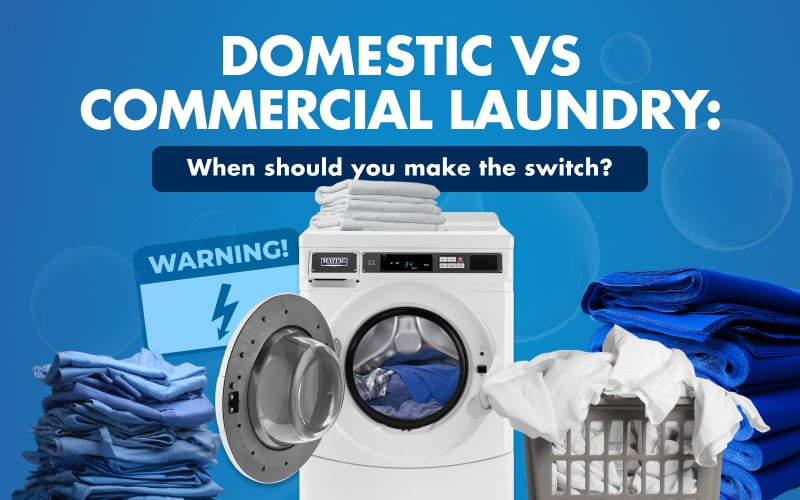
It’s a common scenario across many workplaces. A laundry room starts small, a domestic washer or dryer does the job, and everything ticks along fine – until usage increases.
More people. More loads. Less downtime between cycles.
That’s usually when problems start to appear.
Domestic and commercial laundry equipment may look similar on the surface, but they’re designed for very different workloads. Understanding where that line gets crossed – and why it matters – can save operators time, money and a lot of disruption in the long run.
Designed for different jobs
Domestic laundry machines are built for household use. That typically means a few loads per week, predictable fabrics and long rest periods between cycles.
Commercial machines are designed with a different reality in mind. They’re built to handle repeated use throughout the day, heavier and more varied loads, and environments where downtime has a direct impact on operations.
Once a machine is running multiple loads every day, the demands placed on motors, bearings, seals and electronics increase significantly. That’s where equipment designed for residential use starts to struggle.
What tends to fail first
When domestic machines are pushed beyond their intended use, the issues are often gradual rather than immediate. Common problems include:
- Motors and drive systems wearing prematurely
- Bearings and seals failing under constant load
- Longer cycle times as machines lose efficiency
- Increased vibration and noise
- More frequent breakdowns and service calls
In many cases, warranties no longer apply once a machine is used in a commercial setting, leaving operators exposed to repair or replacement costs much sooner than expected.
The real cost of downtime
The upfront price of a domestic machine can look appealing, but the long-term cost often tells a different story.
Downtime doesn’t just mean a machine being offline. It can mean:
- Staff time spent managing workarounds
- Delays to daily operations
- Guest or resident complaints
- Emergency call-outs at premium rates
- Early replacement of equipment
In environments where laundry is a daily requirement, these indirect costs can quickly outweigh any initial savings.
When commercial equipment makes sense
As a general rule, if laundry equipment is being used daily, by multiple people or in a shared environment, it’s operating in commercial territory. Commercial machines are designed to:
- Run shorter, more efficient cycles
- Withstand higher spin speeds without excessive wear
- Process heavier or bulkier loads consistently
- Be serviced and maintained over a longer working life
Over time, that durability and consistency often results in lower total cost of ownership, even if the upfront investment is higher.
Where Maytag Commercial fits in
For sites that have crossed into commercial usage, Maytag Commercial equipment is designed specifically for these conditions.
Features such as higher spin extraction, robust drive systems tested for long service life, efficient water usage and industry-leading warranties are all aimed at supporting reliability over time.
These design choices help reduce drying time, internal wear and the likelihood of unexpected breakdowns.
Industries where commercial equipment matters most
Commercial-grade laundry solutions are particularly well suited to environments such as:
- Childcare and early learning centres
- Veterinary clinics
- Small accommodation and backpacker hostels
- Gyms and fitness facilities
- Community and supported housing
- Aged care and health settings
In each of these sectors, laundry is a core operational function – not an occasional task – and equipment reliability plays a direct role in day-to-day efficiency.
Making the transition
Moving from domestic to commercial laundry equipment doesn’t have to be a leap into the unknown. In most cases, it starts with a clear look at how your laundry is being used today, where pressure is building and what that means for reliability over the next few years.
At Dependable Laundry Solutions, we know the ins and outs of commercial laundries. We’ll assess your space, usage and future needs, then give you straight advice on whether it’s time to make the move – and exactly what equipment will support your operation long term.
If you’re unsure where your setup sits on that domestic-to-commercial line, having the conversation early can save downtime, cost and disruption later.
Recent Articles
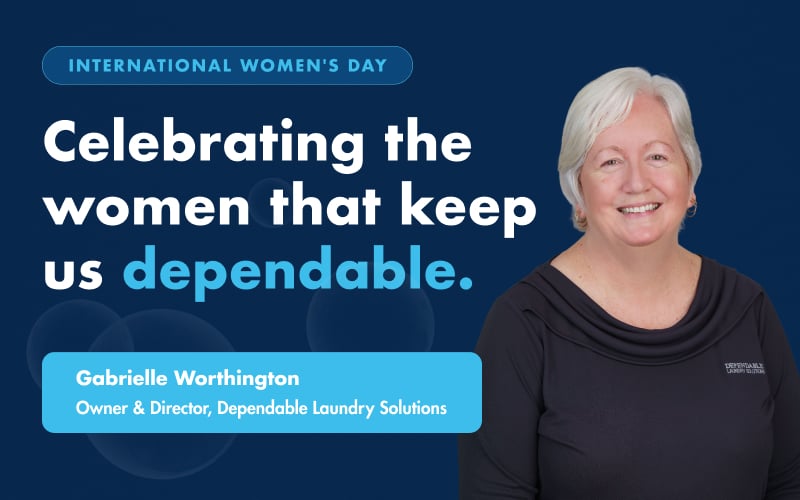
Celebrating International Women’s Day with Gabrielle Worthington
International Women's Day is a moment to pause and recognise the leaders who shape industries quietly, consiste....Read More
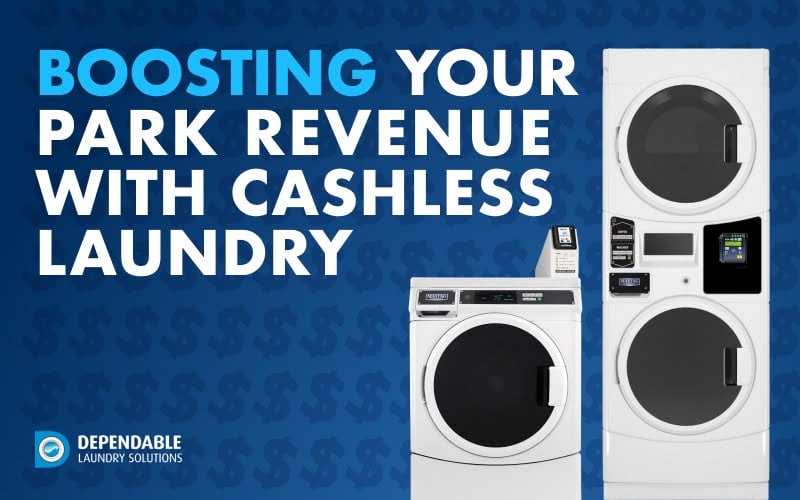
How Holiday Parks Can Boost Revenue With a Cashless Laundry Room in 2026
Running a holiday park means balancing guest experience with operational efficiency - and a cashless laundry ro....Read More
Related Posts

Celebrating International Women’s Day wit...
International Women's Day is a moment to pause and recognise the leaders who shape industries quietly, consistently and with purpose. At Dependable Laundry Solutions, we're pr...
How Holiday Parks Can Boost Revenue With a Cash...
Running a holiday park means balancing guest experience with operational efficiency - and a cashless laundry room is one of the simplest upgrades that delivers on both. Guests...
Stacked Washer / Dryers vs Side-By-Side: Which ...
When space, uptime and efficiency matter, the way you configure your laundry is just as important as the machines themselves. For many commercial laundries, the decision be...
